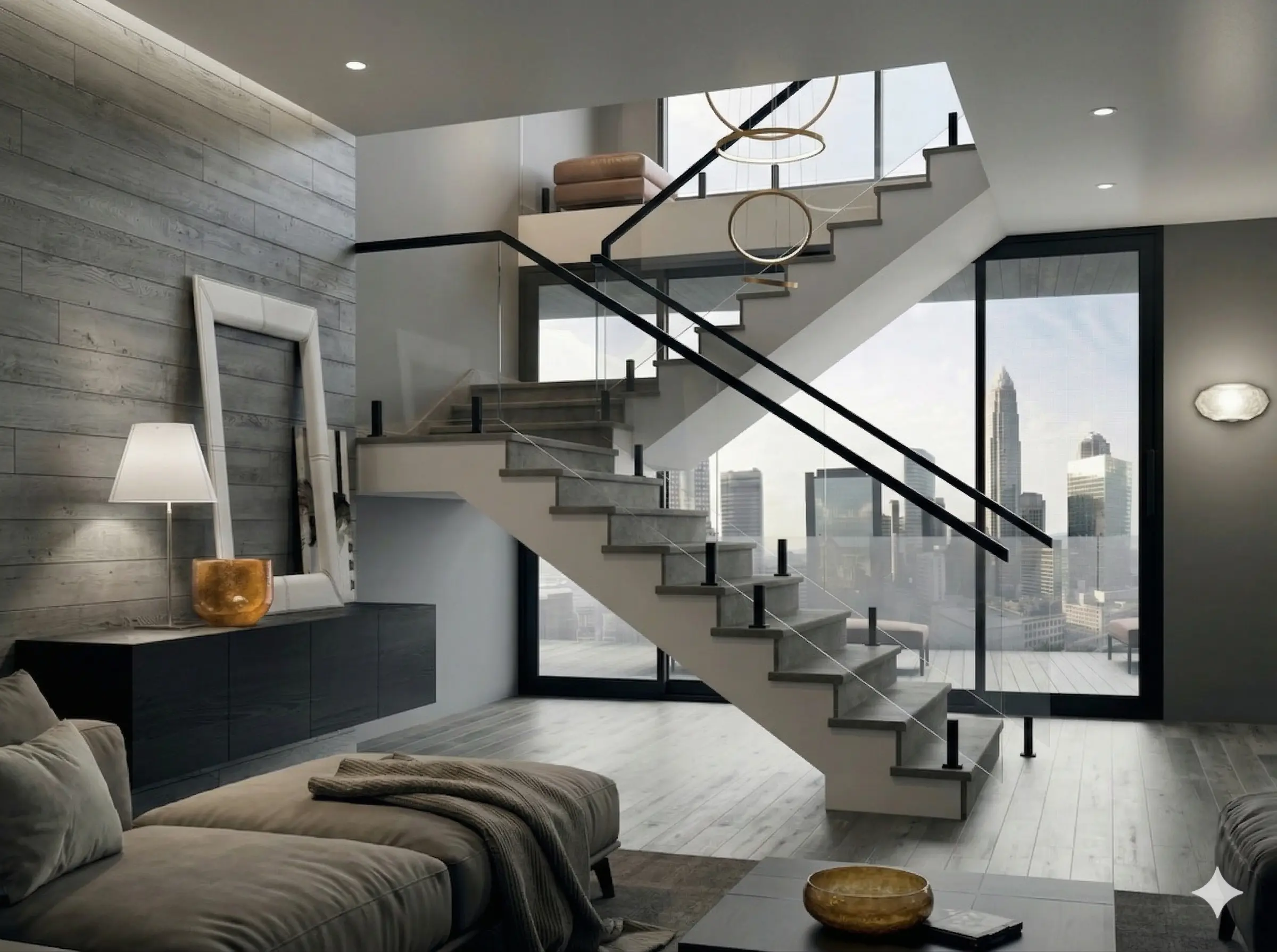
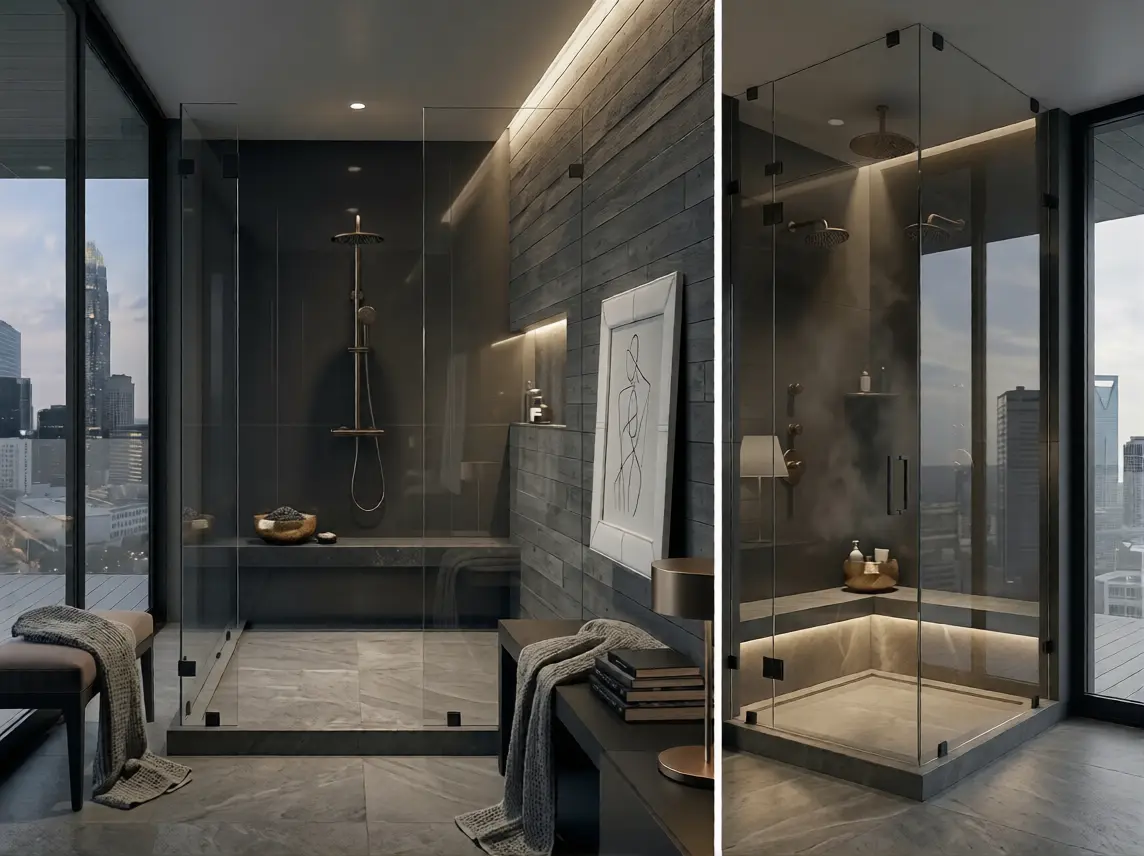
Structural strength
Aluminium
High strength supports wider openings, taller shutters and larger glass panels.
UPVC
Larger units generally need internal steel reinforcement and thicker sections.

Made-to-measure window, door and facade systems for homes, villas and commercial projects across India.
“The quality is really great. They're super smooth and light to open.”
Every system is selected around opening size, usage, climate exposure, safety and the visual language of the building.
Browse the complete catalogue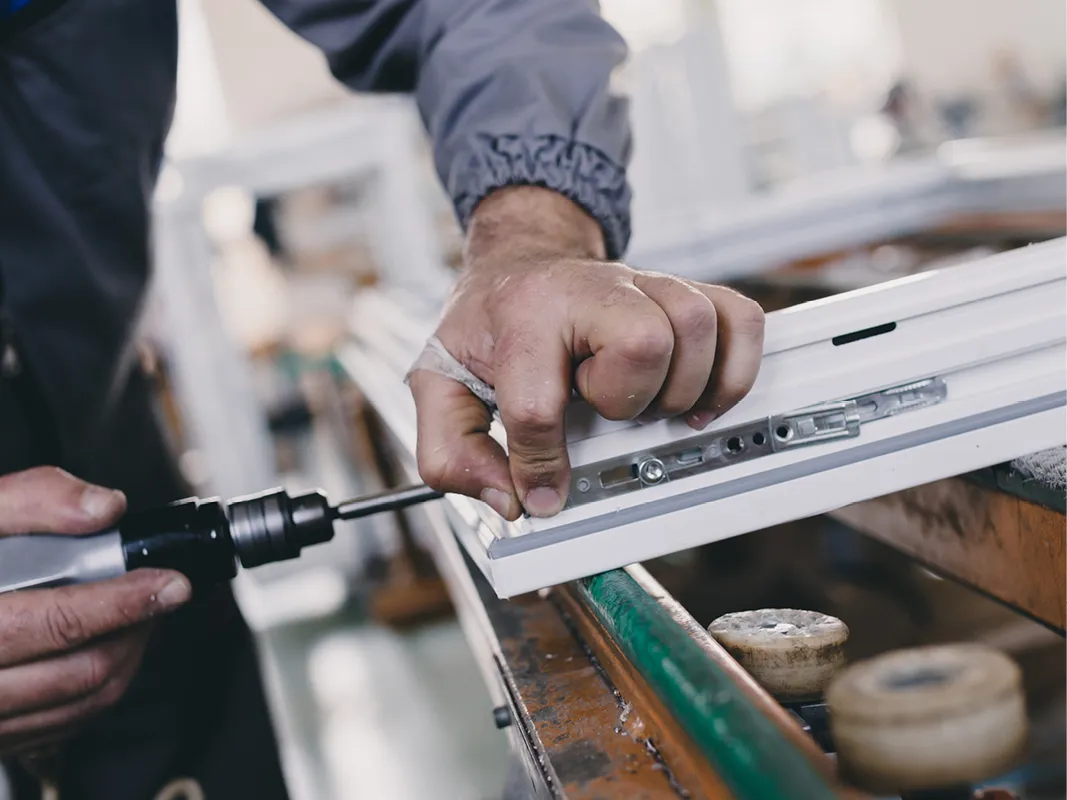
We coordinate design, fabrication and installation as one process. That matters because even a strong aluminium profile will underperform if measurement, drainage, hardware or sealing is wrong.
For large openings, slim frames and long-term dimensional stability, properly specified architectural aluminium is usually the stronger choice. Compare the practical differences before requesting a window quotation.
High strength supports wider openings, taller shutters and larger glass panels.
Larger units generally need internal steel reinforcement and thicker sections.
Narrow, rigid profiles provide more glass area and cleaner architectural lines.
Bulkier frames can reduce the visible glass area, particularly on compact openings.
Powder-coated architectural profiles remain dimensionally stable under intense heat and UV exposure.
Performance depends heavily on profile quality, UV stabilisation and reinforcement.
Well suited to custom sizes, slim sliding systems, corner glazing and contemporary facades.
A practical option for standard openings, with fewer ultra-slim or large-format configurations.
Corrosion-resistant finishes and replaceable hardware support a long working life with routine care.
Low maintenance, but long-term appearance and rigidity vary by formulation and exposure.
Thermal-break profiles paired with suitable insulated or Low-E glass can deliver strong performance.
Naturally low-conductivity frames insulate well, although the complete window specification still matters.
High strength supports wider openings, taller shutters and larger glass panels.
Larger units generally need internal steel reinforcement and thicker sections.
Narrow, rigid profiles provide more glass area and cleaner architectural lines.
Bulkier frames can reduce the visible glass area, particularly on compact openings.
Powder-coated architectural profiles remain dimensionally stable under intense heat and UV exposure.
Performance depends heavily on profile quality, UV stabilisation and reinforcement.
Well suited to custom sizes, slim sliding systems, corner glazing and contemporary facades.
A practical option for standard openings, with fewer ultra-slim or large-format configurations.
Corrosion-resistant finishes and replaceable hardware support a long working life with routine care.
Low maintenance, but long-term appearance and rigidity vary by formulation and exposure.
Thermal-break profiles paired with suitable insulated or Low-E glass can deliver strong performance.
Naturally low-conductivity frames insulate well, although the complete window specification still matters.
The right result depends on profile series, glass, hardware, sealing, opening size and installation quality, not frame material alone.
Residential and commercial systems shaped around the opening, location and performance requirement of each project.
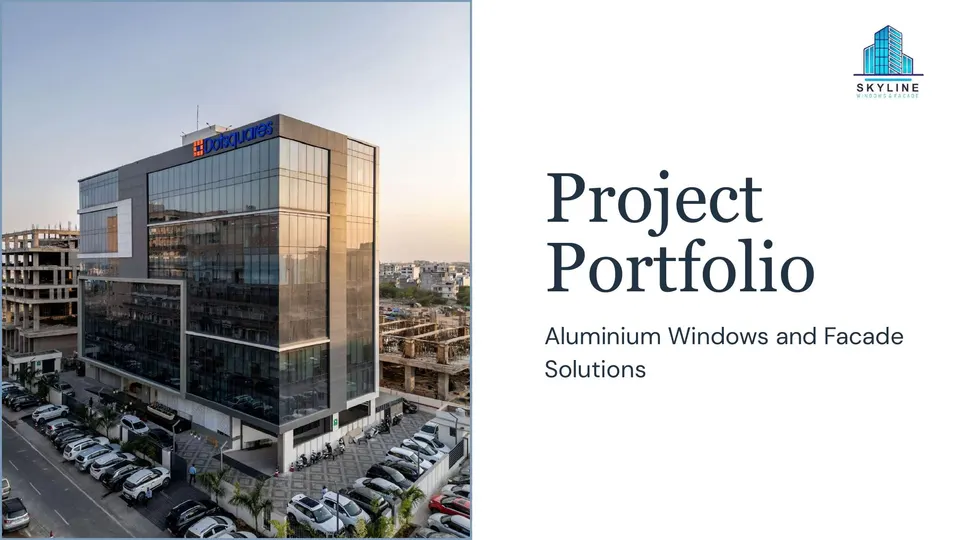
Explore selected aluminium window, structural glazing and facade projects delivered by Skyline for residential and commercial spaces.
Practical guidance for homeowners, architects and builders comparing aluminium windows, glass railings and facade systems across India.
View all guides