
UPVC vs. Thermal Break Aluminium: Which is Best for the Indian Climate?
Written and technically reviewed by the Skyline Windows & Facade team, drawing on more than 20 years of aluminium fabrication and installation experience in Jaipur.
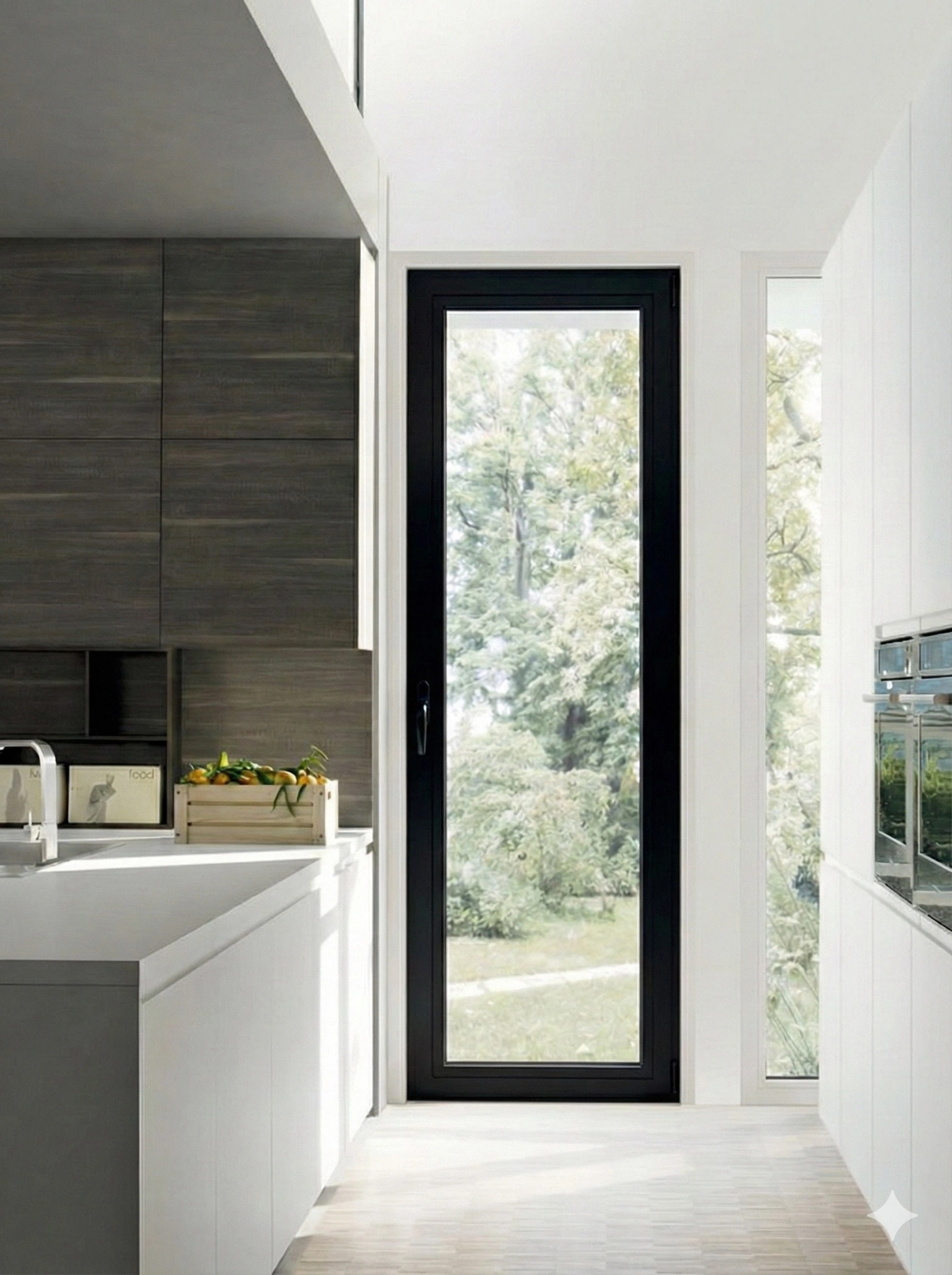
When embarking on a residential or commercial renovation, one of the most critical decisions an architect or homeowner faces is selecting the right window framing material. For decades, the debate has centered around two primary contenders: Unplasticized Polyvinyl Chloride (UPVC) and Aluminium.
However, with the introduction of Thermal Break Technology in aluminium profiles, the landscape has dramatically shifted. As specialists serving Jaipur and Rajasthan, Skyline Windows and Facade regularly consults clients entirely torn between these options. Here is our comprehensive 2026 engineer's guide to making the right choice for the Indian climate.
Understanding UPVC
UPVC windows exploded in popularity during the early 2000s, primarily due to their intrinsic thermal insulating properties. Because plastic is a poor conductor of heat, UPVC frames naturally prevent the transfer of extreme exterior temperatures to the interior of a building.
The Pros of UPVC:
- Excellent natural thermal insulation (low U-values).
- Highly effective acoustic insulation (soundproofing).
- Requires virtually zero maintenance; it does not rust or corrode.
- Generally more cost-effective than high-end aluminium systems.
The Limitations of UPVC in India:
While phenomenal insulators, standard UPVC profiles face significant challenges in environments like Rajasthan. The intense, prolonged exposure to UV radiation and ambient temperatures exceeding 45°C (113°F) can cause structural warping and discoloration (yellowing) over time, unless heavily reinforced with galvanized steel cores and UV-stabilized titanium dioxide layers. Furthermore, to support the immense weight of large double-glazed panels, UPVC frames must be incredibly thick, severely limiting the glass-to-frame ratio.
The Aluminium Evolution: Thermal Break Technology
Standard aluminium was long avoided in high-end projects due to its high thermal conductivity. If it was 45°C outside, the aluminium frame on the inside of the house would be hot to the touch, drastically reducing the efficiency of air conditioning.
Thermal Break Aluminium completely solved this engineering flaw. A strict structural barrier, typically made of polyamide (a highly insulating plastic), is extruded between the inner and outer faces of the aluminium profile. This essentially "breaks" the path of thermal conduction.
The Pros of Thermal Break Aluminium:
- Thermal Efficiency: Modern thermally broken aluminium achieves insulation values rivaling or exceeding premium UPVC systems.
- Unmatched Strength: Aluminium inherently boasts an incredible strength-to-weight ratio. This allows for vast, panoramic window spans and heavy triple-glazing without the need for bulky, obtrusive frames (enabling the "slimline" aesthetic).
- Climate Resilience: Aluminium will never warp, expand, contract, or degrade under harsh Indian sunlight. It is structurally immune to temperature fluctuations.
- Design Flexibility: Can be powder-coated to literally any color or finished in realistic wood-grain textures.
The Verdict for the Indian Climate
If budget is the absolute primary constraint on a smaller-scale project, a high-quality, UV-stabilized UPVC window remains an excellent, functional choice.
However, for high-end residential, commercial, or any architectural project prioritizing longevity, expansive views, and modern aesthetics in the harsh Indian climate, Thermal Break Aluminium is the undisputed superior choice. The initial investment is offset by its sheer structural permanence and the ability to execute demanding architectural designs that UPVC simply cannot support.
Still weighing your options? At Skyline Windows, we manufacture and install both premium UPVC and Thermal Break Aluminium. Contact our sales engineers for an unbiased consultation tailored to your specific architectural plans.