
Soundproofing Indian Homes Against Street Noise
Written and technically reviewed by the Skyline Windows & Facade team, drawing on more than 20 years of aluminium fabrication and installation experience in Jaipur.
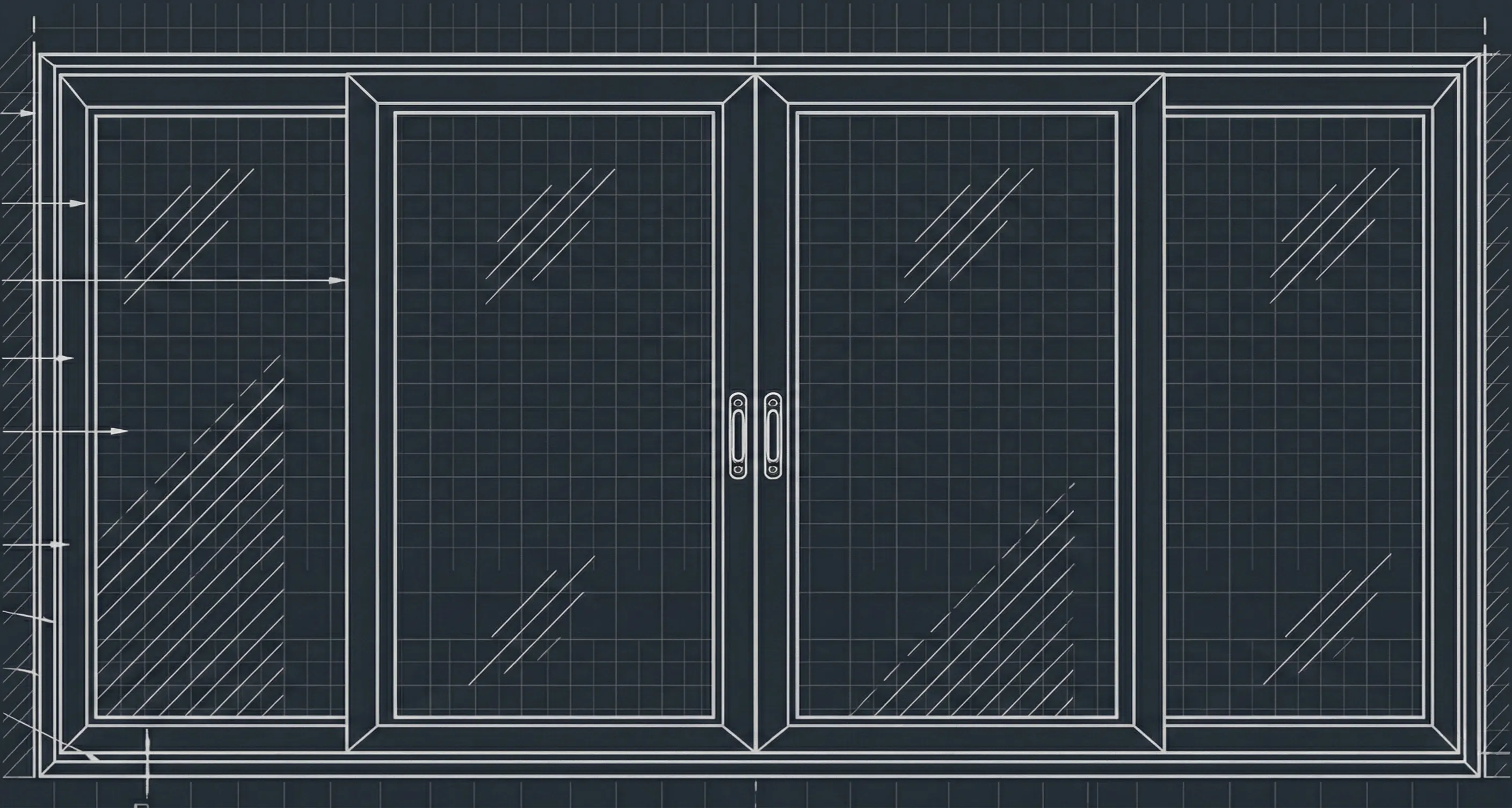
Rapid urbanization in India has transformed quiet neighborhoods into bustling thoroughfares. Whether it is relentless traffic, construction noise, or vibrant local celebrations, noise pollution in cities like Jaipur severely impacts quality of life, sleep, and daily productivity.
While many homeowners attempt to insulate their walls or ceilings, they often overlook the weakest acoustic link in any building's envelope: The Windows. Upgrading to highly engineered aluminium windows with specialized acoustic glass is the single most effective way to instantly soundproof your home.
The Physics of Acoustic Insulation (STC Ratings)
To effectively block noise, a window must combat two entirely different types of physics:
- Airborne Sound: Noise that travels through the air (like sirens, car horns, or loud voices). To stop it, your window setup must be entirely sealed. Even a microscopic 1% gap in weather stripping can let in 50% of exterior airborne noise.
- Structure-Borne Sound (Vibration): Low-frequency noises (like the rumbling engine of a heavy truck driving past) physically vibrate the ground, the walls, and the glass itself, transmitting the noise inside like a speaker. To stop this, the window must have sufficient mass to resist shaking.
The effectiveness of a window in blocking these noises is measured by its Sound Transmission Class (STC). A standard single-pane window often has an STC of around 25 (you can easily hear normal speech outside). The goal for modern luxury homes in India is to hit an STC of 35 to 45 or higher (where loud street noise is heavily muffled or inaudible).
How Premium Aluminium Fabricators Solve It
The best fabricator will never tell you that a standard window is "soundproof." It requires a deliberate, engineered acoustic setup:
1. The Acoustic Glass Configuration
- Asymmetrical Double Glazing: A standard Double Glazed Unit (DGU) with two panes of glass of the exact same thickness (e.g., 6mm gap 6mm) is actually poor for soundproofing. Both panes vibrate at the same resonant frequency, transmitting the sound right through. For acoustics, we use asymmetrical panes (e.g., 8mm glass + 12mm gap + 6mm glass). The different thicknesses combat different sound frequencies perfectly.
- Acoustic Laminated Glass: For severe noise environments (homes directly on major highways), we replace one of the glass panes with specialized Acoustic Laminated Glass. This features a thick, sound-dampening PVB plastic interlayer sandwiched between two sheets of glass, physically absorbing the low-frequency vibrations that normal glass cannot stop.
2. The Engineered Aluminium Frame
A heavy, acoustic glass unit is useless if the frame surrounding it is weak or leaky.
- Multi-Point Locking Systems: Premium aluminium frames use hardware that locks tightly at 5 or 6 different points around the perimeter rather than just one latch. When closed, it crushes the specialized EPDM rubber gaskets perfectly tight, eliminating all microscopic air leaks.
- Thermally Broken Frames: The dense polyamide thermal break inside modern aluminium extrusions not only blocks heat but also acts as a physical shock absorber, helping to prevent vibrational sound from transferring through the solid metal frame.
The Result: Serenity in the City
When precision-fabricated aluminium frames meet asymmetrical acoustic glazing, the chaotic noise of the Indian street is left outside. The result is a calm, peaceful interior sanctuary, drastically improving your overall well-being.
Is street noise ruining your comfort at home? Speak with Skyline Windows to design an acoustic glazing solution customized for your specific noise environment.